
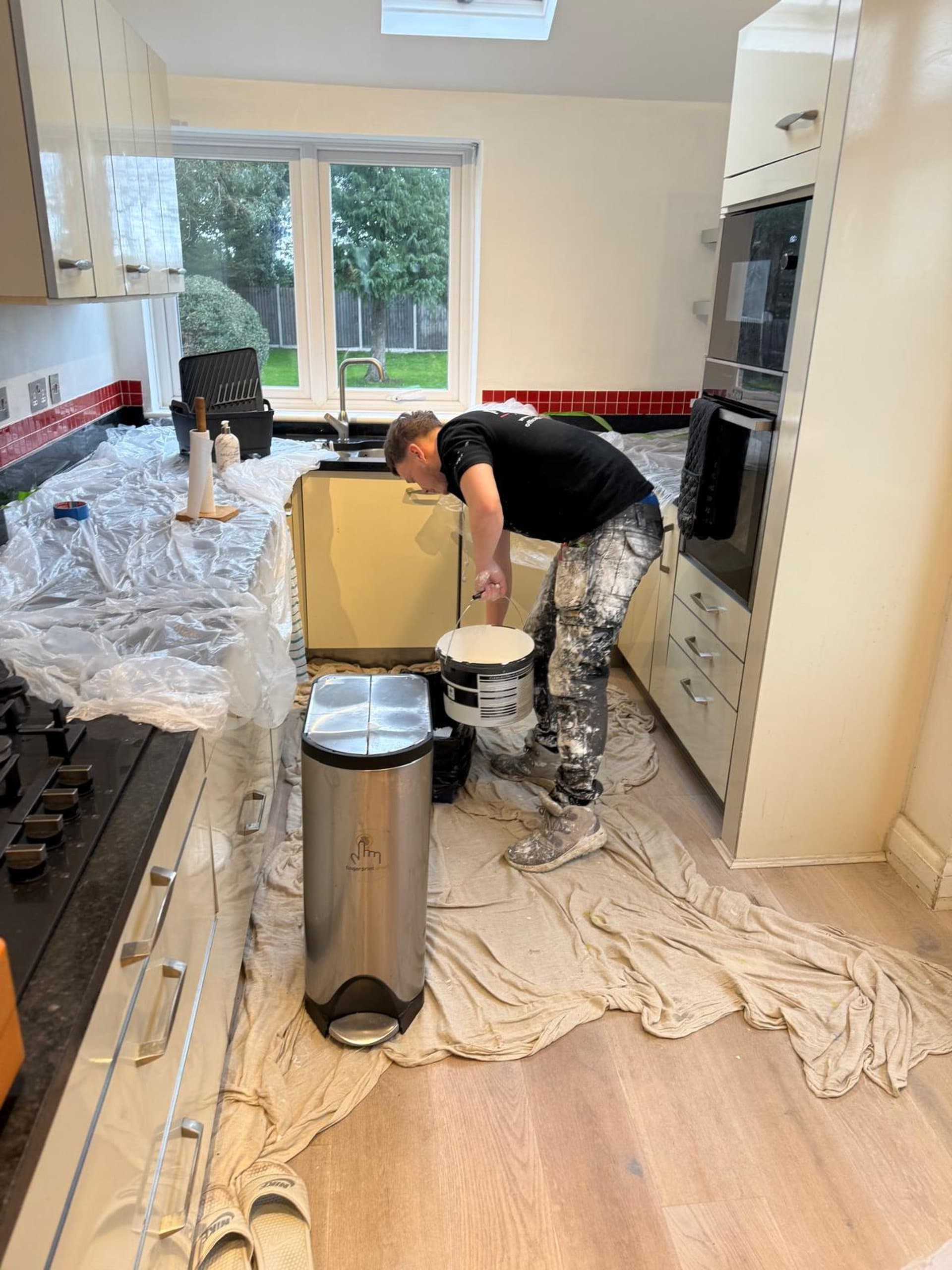
Most kitchens get sold on the cabinets. The truth is the cabinets are the easy part. The reason a fitted kitchen costs what it does is the gas, the electrics, the plumbing, and the joinery skill needed to make a row of flat-pack units look like a finished kitchen rather than a wonky storage wall.
Here is the honest take on what you can do yourself, what you should not, and where the maths on DIY actually breaks down.
What is genuinely DIY-able
- Painting walls and ceilings before fit
- Pulling out old units, with care for plumbing and gas
- Fitting cabinet handles and knobs
- Installing under-cabinet lighting that plugs into a socket
- Putting up open shelves
- Tiling a splashback (if you are patient and have done it before)
- Painting cabinet doors as a refresh, instead of replacing
If those are the things on your list, do them yourself and spend the money you save on better appliances.
What you legally cannot DIY
**Gas work.** Connecting a gas hob, even just disconnecting the old one to slide it out, is illegal unless you are Gas Safe registered. The fine for unregistered gas work runs to £20,000 plus criminal liability if anything goes wrong. Insurance will not cover damage from unregistered gas work either.
**New circuits and consumer unit changes.** Adding a new ring main for kitchen sockets, fitting a new oven circuit, or any work to the consumer unit is notifiable under Part P of the Building Regulations. It must be done by a registered electrician (NICEIC, NAPIT, or Stroma) or signed off by Building Control, and the latter is more expensive than just hiring a sparky in the first place.
**Structural work.** Knocking through walls, even non-load bearing ones, in flats often needs landlord or freeholder consent and may need building control sign-off. Removing a load-bearing wall always needs a structural engineer and building control.
**Boiler relocation.** Moving the boiler to fit a new layout is Gas Safe work plus often a flue and gas pipe upgrade.
What you should not DIY even though you legally could
Plumbing for a sink and dishwasher is legal to do yourself. It is also where most DIY kitchen disasters happen. A dishwasher waste connected wrong floods a kitchen quietly for weeks before anyone notices. A sink trap with the wrong fall blocks every other week. A push-fit fitting that has not been reamed properly drips behind the cabinet for a year and rots the floor.
Worktops are the other one. Cutting and joining a laminate or stone worktop is a real skill. A bad joint in front of the sink is the first thing visitors see and the first thing to swell when water gets in. A fitter does this in 90 minutes. A first-timer does it in a weekend and usually has to redo it.
The hidden costs of DIY
On paper, doing it yourself saves £3,000 to £6,000 in labour. In reality:
- A week or two of evenings and weekends with no working kitchen
- Tools you do not own (mitre saw, jigsaw, levels, multimeter, pipe cutter, hole saw set): £300 to £700 if buying, £150 to £300 if hiring
- Mistakes: a wrongly cut worktop is £300 to £900 to replace, a snapped door is £80 to £250
- Skip hire and waste removal: £200 to £400
- Snagging at the end where corners are not square or doors do not align
- An electrician or plumber called in to fix something you got wrong, usually charged at emergency rates
Most DIY kitchens we have been called into to finish or fix end up costing 60 to 75% of what a professional fit would have been, with the homeowner having done all the work and lost three weekends.
Insurance and resale
Home insurance will not cover damage caused by unqualified work. If a DIY plumbing joint floods your downstairs neighbour, your insurer will refuse the claim and you are personally liable.
When you sell, the buyer's solicitor will ask for Part P certificates for any new electrical work and Gas Safe records for any gas work in the last five years. No paperwork can knock 1 to 2% off the sale price or hold up exchange.
When DIY genuinely makes sense
- A small refresh: paint, handles, splashback, no layout change
- A second kitchen in a garage or outbuilding where the existing supply already exists
- A flat-pack utility room where the plumbing is already in place and the units just slot in
- You have done it before, you have the tools, and you have a fortnight free
When to pay a fitter
- You are moving the sink, hob, or oven
- You are changing the layout
- You want it done in 5 to 10 days, not 5 to 10 weekends
- You want a paper trail for resale or insurance
- The cabinets are stone-topped, framed, or anything other than flat-pack laminate
What a proper fit covers
Our Bromley kitchen fitters handle the full job: rip out, first fix plumbing and electrics, cabinets and worktops, appliance install, splashback, second fix, and snag. The Gas Safe and Part P sign-off comes with the job, so you have the paperwork on completion. The full scope is on the kitchen fitting service page.
If you want a written quote, the kitchen quote form gives us enough to come back with a rough number, then we book a 30 minute site visit to firm it up. We will tell you which parts of the job you could realistically DIY to save money, and which parts genuinely need to be paid for.
The cabinets are not what you are paying for. You are paying for everything that makes them look like they belong there.
A note on flat-pack vs rigid units
Flat-pack cabinets (Howdens, IKEA, B&Q) are fine for most jobs and 30 to 50% cheaper than rigid. The downside is build time on site, every cabinet needs assembling before fitting. A fitter will charge for that time, so the total saving is smaller than the showroom price suggests.
Rigid units (Magnet, Wren, in-frame from independents) arrive built. They sit straighter, doors hang truer, and the carcass is usually 18mm rather than 15mm board. For a kitchen you want to keep for 15+ years, rigid is worth the extra. For a rental flip or first kitchen, flat-pack is fine.
Worktop choices and real prices fitted
- Laminate, £180 to £450 fitted
- Solid wood (oak, walnut), £900 to £1,800 fitted but needs annual oiling
- Quartz composite, £2,000 to £3,500 fitted, the most popular mid-to-high choice
- Granite, £1,800 to £3,200, harder than quartz but porous, needs sealing
- Dekton or porcelain, £2,500 to £4,500, near-indestructible but cracks if dropped on hard
Quartz is what most of our kitchens go in with. It looks good, it does not stain, and the joints are barely visible when done by a templated fabricator.
Need help with this?
Our qualified engineers are available across South London and Kent. Call us for free advice or a no-obligation quote.